
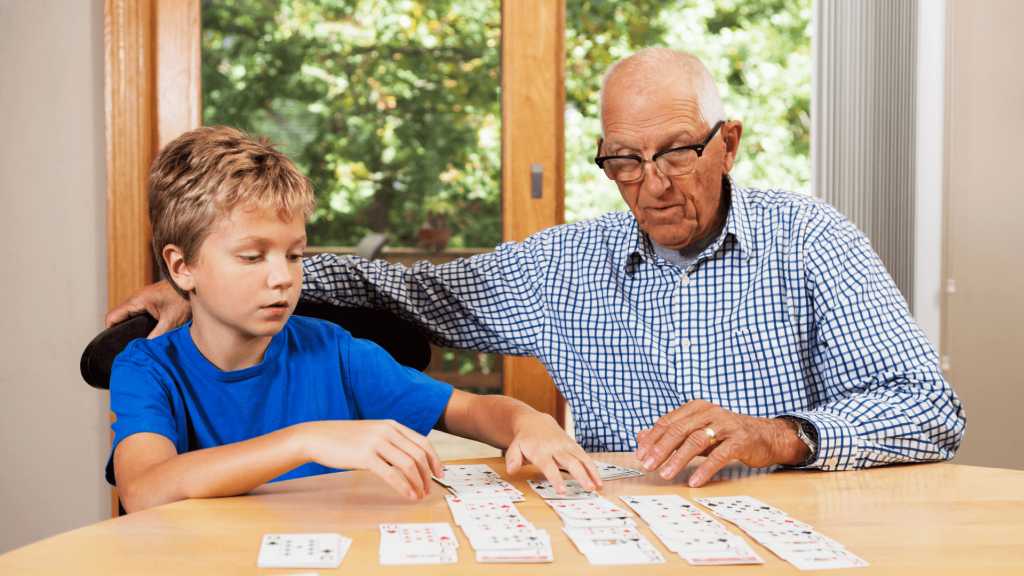

Fear of cognitive decline is a serious problem for those who age. According to the World Health Organization, many people have found their senses dimmed from 45 years of age and upward, often with a decline in subjective perception (SCD). At least 11% of adults’ reports have difficulty with the SCD – of that figure, almost 30% live alone. Symptoms of cognitive decline can go from mild to severe about the quality of life.
For many older people, negative changes in cognitive activity, keeping the mind active can produce many positive effects. Card games for older adults provide a great way to get an additional psychiatric treatment session every day: many old cards can be accessible, fast, and, above all, very enjoyed.
These are some of the benefits of card games that help improve cognitive functions, so we can keep our minds awake as we age.
4 The Perceptual Benefits of the Game for the Elderly
The game of cards for older people stimulates various aspects of the brain and improves our cognitive capacity such as memory, organization, and pre-thinking. Combination skills are key components for success in card games, including many skills that are prone to cognitive decline.
The card game can help improve the working memory for adults
The simple action of regularly communicating with the brain with complex tasks is important to maintain healthy cognitive function. Part of total memory loss is one of the most common and frightening symptoms of cognitive decline, so it’s important that our memory skills are often used to avoid a decline.
The card game will activate our memory at a high level, requiring players to remember information for game goals. From cards in the pile to the hand state belonging to other players, the game requires that you focus on what is in front of you, and remember the entire game.
The card game enhances observation and attention to details
Unfortunately, one aspect of cognitive decline is the loss of the ability to participate in small details of life, such as dates, names, important habits, or other important details. Our ability to observe helps us to overcome the challenges of daily life and to pay attention to details that help us to learn.
One of the benefits of the old game is, while they are simply learning, the player will soon appreciate the depth and complexity they offer – especially observation. In addition, card games are easily added to the routine of others, especially those who are older have more free time.
Playing favorite cards often requires that we observe other minor details. The games often depend on how the player reads and details can be all. For example, poker players need to analyze the state of the game around them only using a few details and reasonings, like who folded and what your hand tells you about other people.
Card games maintain motor abilities
The benefits of similar games do not only stimulate the mind; many games require physical harmony, even slightly. The physical benefits of playing cards can help to reduce the loss of the skills and good motor skills of the elderly.
As we grow older, we lose the ability to hinder many aspects of life. Sports cards and game pieces can be a low stress physical activity to keep the motor abilities trained, which studies have shown has been associated with positive cognitive benefits and lasting throughout the lives of participants starting at 11.
When you take the card and hold it in your hand, it seems that anyone can do something, but it is important to remember how our brains interact with every movement of the body. Reflections and quickness are a combination of neural strength and physical capacity.
Also, not everyone can exercise passionately, especially when we are older. That is why gambling can keep our bodies and minds awake even when sitting on a table or on the floor.
Card game for older people to stimulate the spirit and society
For those who are prone to cognitive decline, socialization is encouraged along with mental stimulation in order to keep their minds alert. The loneliness among older Americans is an epidemic, and depression and loneliness affect the brain can literally threaten life.
Research suggests that group activities combined – including multiple card games – have had a positive impact on the participants’ psychological perception. Physical games with slower speed and simple rules can keep a brain busy for hours each time, and social interaction these games can bring value to foster positive self-care.
5 Card games for the elderly help improve cognitive functions
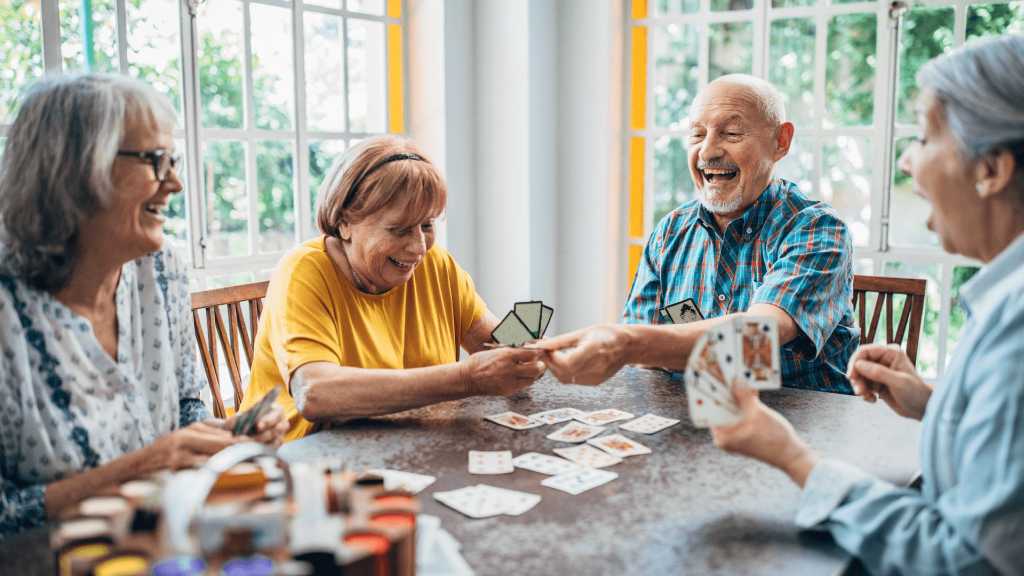
You can choose hundreds of games to take care of your cognitive skills. The card game may be particularly appropriate for individuals seeking patient games and digital strategies. Many people also have different forms to play with a group or play alone, helping them to be more flexible.
Solire — the card organization as best possible.
In all the old games that were beneficial in consciousness, Sohoto was probably one of the best games for the elderly. Solire is an organised game that requires patience — of course, that’s why it’s also called “Satisfactory. “
One of Saxe’s greatest benefits is a single game, so you can play any time and the speed of the game is entirely up to you. Instead, however, you can compete with others at a faster pace to promote social communication.
What is similar to the other games on this list is that the game is almost entirely in the mind. There is no way to influence the drawing of a deck of cards, each of which requires that the player adapt to new circumstances, keep full track of complex systems, and consider the different possibilities that each new drawing will open. When it comes to memory, attention to details, and mental excitement, Seneca has so much to say!
Play the free song!
Poker — improving memory and reasoning per hand
Poker is a necessary social game. The circle is quick, setting is easy, and the game doesn’t have to be “winning the game” to remain tactical and fun. Talking throughout poker is easy and fun, but it is also a way to improve your game. While friends or loved ones may have a polite face, seeing minor changes in behavior can assure you of success and develop your perceptive powers.
Also, as previously stated, poker encourages effective reasoning. Often the player is not a challenge, but their hands may reason on the full condition of the table during the play.
Bridge — Get the intelligence and social stimulation you need
Bridges are one of the best social games. In this four-player game, you work with another player to win the trick. This includes nonverbal communication, attention to details and mental flexibility.
A team game opens numerous new ways for socialization. As was established, while stimulating the mind from the card game can be useful in maintaining cognitive health, regular social interaction is a vital part of keeping the brain happy and healthy.
Gin Rumple — watch out for the details.
Gin Rixton is a two-player variant of the Rodrick, a game about the formation of sets or strings (called melds) from your hand to the point. In this version, you’re trying to play more than your opponent. Success in Gin Raxie requires much attention and the ability to predict the other hand.
Also, track the status of the deck is especially useful here because you want to know what kind of articles can be given next. This is another positive exercise on your cognitive abilities.
Majong — sharpen mind and focus
Mahjon, known for its beautiful tiles, is a game that is entirely unique to its own language. Learning mahmy has been an exercise on player’s cognitive abilities for the first time, and your hand needs to make changes every year in the official game.
However, Matthew can be a beneficial exercise for the mind. This carpet is more complex than the traditional set of cards and can spread across the player, making the game a test of player focus and strategy.
Also, you rarely know what’s being drawn next will be. Monitor what people choose to receive or pass may inform you of your own decision. Knowing when to make a brick is the key to success.
Keep sharp with best cards games for the elderly
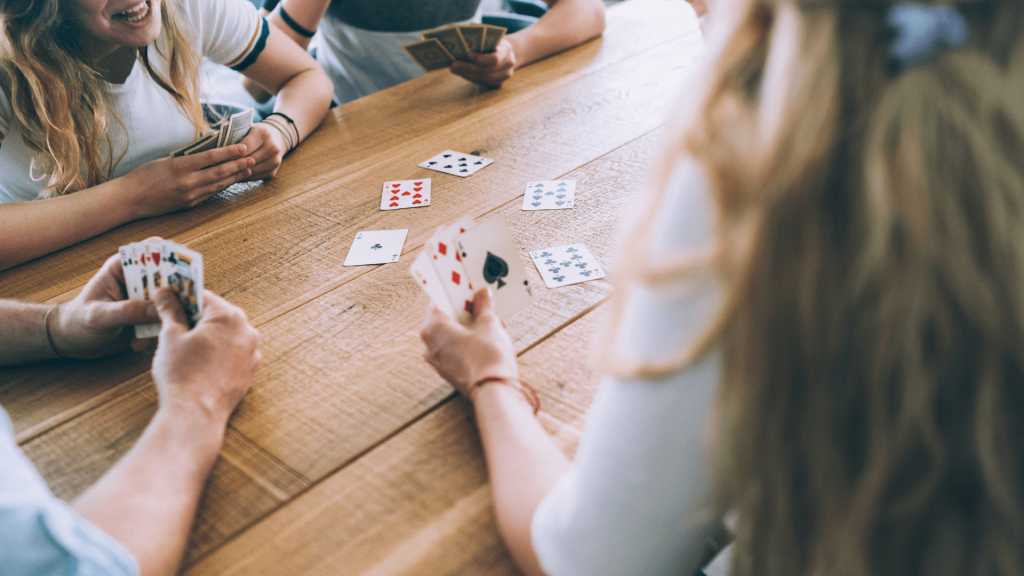
Concerning about the effects of old age on our lives can be incredible. The TB and loneliness seem to be an uncontrollable curse, but when faced with such challenges, nothing is as valuable as the support network of those we care about. One’s support network will always start with them, and the way we treat ourselves is just as important as the way we try to help others.
We may grow up, but we are never too old to play and play with friends and loved ones. The game for older people is one of many choices for those who are trying to stimulate their minds when they are older. However, these old games are a reliable and accessible method!