
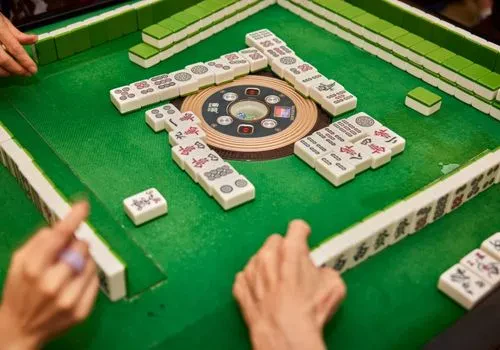

Majong is a fast-action, social game on classic skates. If you’re a new company, this guide will guide you through the essentials: setting up 152-tile (including clowns and flowers), and the pre-subscripted chickens that shape your strategy.
We’ll include setting up, rotating flow, calling, exposure, and simple notes so that you can sit down and start playing with confidence. On the way, you’ll learn new tactics start as when to commit to a line, when to protect, and how to use clowns wisely. Ready to play? Break the game into step by step and take you to “Mah Jongg! “
Understanding the game
First there are two pillars to learn: sets and goals.
United States Plains (152 pieces)
- Filter (108 pieces): dot, Bams (Bamboo), and Crakes (Characters), 1–9 in each suit (four tiles).
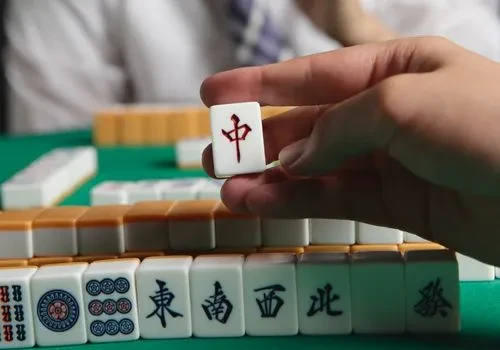
- Honor (28 pieces): Wind: East, South, West, North (4 in each degree 16 and Dragon: Red, Green, White/”Soap” (4 of each = 12)
- Flowers (8 pieces): Usually important on cards, not wild.
- Joker (8 pieces): Wilds only have three or more (pungs/kongs/quints). They cannot be used for singles or pairs, cannot be taken into Charleston, and cannot be called from the scrap heap.
Target.
Be the first to complete a legal hand printed on the current NMJL card. Each line on the tag describes a template (which values points) using matching numbers, Winds/Dagons, Flowers and sometimes Jokers. When your 14 bricks match an exact line, declare “Mah Jongg! “You’ll balance the insult to defense.
Game Settings
Player and Seaman
Four players play American mash. Set all random people (draw a lot or roll dice). Wind-related seats: East, south, west, north, to identify the merchant (eastern west) and change order. The roles revolve around each round, so people turn east.
Build the Wall
Each player plays a husband of 19 piles of brick in front of him. Together, the four sides form the wall. The source for the tournament. Place the tiles behind your slope; exposure (set you revealed) on your face.
Could not initialise Bonobo
Select the east side (permanent) by rolling dice or drawing high. The east broke the wall and started playing. In the Orient, the first step may affect the payment of many family rules, so use your seat wisely.
Play a game
Colors
Before starting, Majong America used a passing period called Charleston to improve people’s start. After the agreement (13 pieces per; East will leave first to begin), player passes the pieces in a fixed direction:
Charleston First: Force (three times)
- Right: Pass three pieces to the right player
- Pass: Pass three pieces to the player opposite you
- Left: Three pieces for the player on the left
Second Charleston: Option (three times)
- Left: Three pieces for the player on the left
- Pass: Pass three pieces to the player
- Right: Pass three pieces to the right player
Any table can stop before or ignore this second process.
Pass: Option
- Exchange 0–3 pieces with player passing; both must agree on the same number.
What to do: Use Charleston to commit to an entry on the NMJL card (e.g., 13579, 2468) and keep the tiles match multiple lines. Don’t pass the Joker (and most of the tables avoid the flowers). Give me the real “orphans” and the copies you won’t use. No calls or shows. Charleston is simply shaping your hand to actually play that can begin.
Image & effect:
After Charleston, the East left first, then turned counterclockwise. Here’s what you need to do when it’s your turn:
- Draw a little bit from the wall.
- Decide to keep it, expose it or change the plan.
- Put a mag in the middle.
If the most recent removal completes a 3+ episode (pung/kong/quint) in a hand that allows exposure, you can call it before the next player draws. Say “call”, grab the brick, expose yourself on your shelf, then leave to finish your turn. (You do not draw from the wall on a call loop. )
The priority: “Mah Jongg!” beats all other calls. Otherwise, the priority will come to the next player in the order of giving up. You can’t call a single or a couple, except to declare Mah Jongg. Joker may appear in the 3+ set but cannot call from the table.
If no one calls, the next player draws from the wall, and the cycle continues. Continue to throw it away in a clean and exposed manner so that people can monitor the information. This melody: Painting, deciding, leaving, sometimes making calls, driving strategies and speeds of the American Majong.
Form ranks (and how to work)
The American hands were built from patterns on the NMJL card using these building blocks:
- Double ( same): requires many lines; does not allow clowns.
- Pung (4 identical): Maybe even the clowns.
- Kong (4 identical): Maybe even the clowns.
- Qut (4 identical): Maybe even the clowns.
There are no general words like Asian style. Any “run” you see is specific to the letter of the card.
The clowns operate as wild slices only according to set 3+ (pungs/kongs/quints). They can’t be single or couple, and they’re never used as flowers. You can use clown troops in a display or hidden (put your face down until you declare Mah Jongg).
You can’t call a clown off, and you can’t get past clowns all the time in Charleston. However, when it comes to you, you can make a clown exchange: if any of your exposure (yours or other player’s) contains a flag and you keep the natural brick lines corresponding, exchange your tile in and select clowns.
This is a strategy: soon, keep the kits flexible, don’t lock a Joker into a flux line. Display with the clowns reveals information; only use that edge as it approaches your hand.
Xiao He!
When your 14 pieces fit into an exact line, call “Mah Jongg! “ Right away. Take off your hands. The panel fits, counts, hidden positions, flowers, and any clowns. If so, you win and the round end; the dash and the wind spin for the next transaction.
Dot Bar
Scores and values come from the NMJL tag (violent listing points). Many tables use this conventional payment idea, but best to confirm before starting:
- Wins when leaving: the throwaway pays double; the other two pay one.
- Customs (subscription of tile) All opponents pay double.
- Championships or special notes on the current card can double hand value.
The deal is on the table, card five, and any home that fixes first.
Tip for the Beginer
Regular Practice
Rebekah builds confidence. Whether you’re sitting with friends or online practice, regularly playing tile recognition, speeding up decision speeds, and helping you to remember the regular card picture.
Read cards and exposure
Opposers show what they’re building. Use that information to rotate if the path you select appears uncertain, avoiding giving the player the suit/number exposed, and keeping the tiles safer when someone is near.
Balance of Distortion and Defence
Push when you draw the line (especially with strong flowers or pairs). If the table becomes dangerous with a lot of exposure, obviously wait, turn to defensive. Select the safer things (the complex things you’ve seen), break the dangerous forms, and watch the Joker exchange game help you without help.
Play American mash game
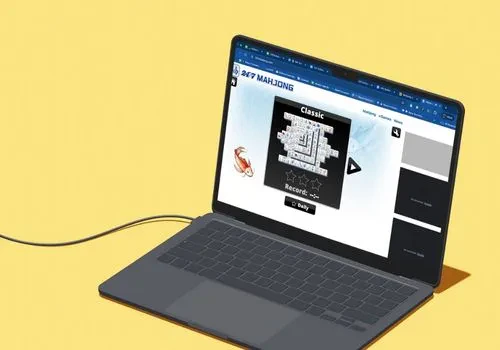
Want no pressure to learn the tiles and points samples? Let’s try the free mash game on 2447 games. Fast bullets help identify tile, and building statistics keep the exercise fun. Online launch, then bringing in more sophisticated eyes and making better decisions for the Mah Jongg American table. Let’s start playing today.